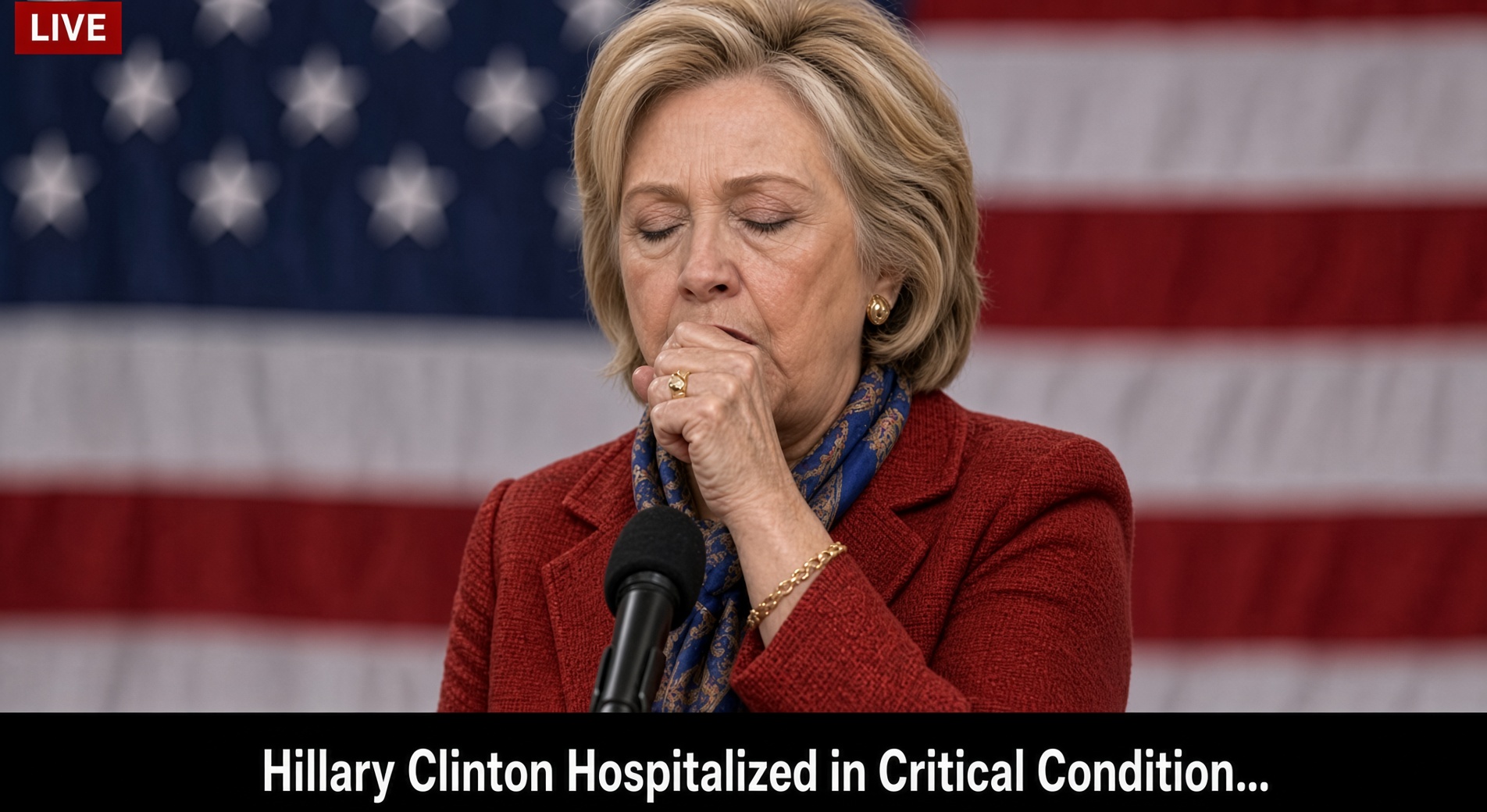
WASHINGTON — In an era where digital information moves at the speed of an algorithmic refresh, the line between credible reporting and viral fiction has grown perilously thin. Over the course of a single afternoon, social feeds were inundated with a chaotic collage of unverified breaking alerts: fabricated bulletins claiming former President Joe Biden had died in an aviation accident near the Canadian border, unsourced rumors alleging former Secretary of State Hillary Clinton had been hospitalized in critical condition, and jarring intrusions of automated programmatic advertising offering suburban real estate.
The convergence of high-stakes political rumor and sensationalist framing left audiences in a familiar holding pattern—refreshing timelines, parsing conflicting headlines, and waiting for corroborated guidance from official representatives and credentialed newsrooms.
The Anatomy of Digital Velocity
The episode illustrates the mechanics of modern digital contagion. An alarming claim, compressed into a few urgent sentences or paired with an out-of-context photograph, is engineered to circumvent critical skepticism. By stripping away chronology, sourcing, and corroborating details, brief viral posts present dramatic endpoints before audiences can evaluate the basic premises.
In the early moments of such incidents, the public response is defined by suspense and apprehension. Without immediate on-the-record confirmations from hospitals, aviation authorities, or government spokespersons, speculation inevitably rushes into the void.
Digital media analysts point out that platforms are structured to reward emotional velocity over verification. The psychological tension embedded in sudden news—ordinary routines interrupted by catastrophic reports—compels users to share alerts reflexively. What begins as an isolated, fabricated post quickly metastasizes across decentralized networks, driven as much by genuine public concern as by automated amplification.
The Cost of Premature Narrative
The danger of rapid-fire rumor lies not merely in temporary confusion, but in how it distorts accountability and basic facts. When unvetted claims circulate alongside disparate, mundane content—from real estate listings to click-driven aggregators—the threshold for authority is systematically lowered. The casual reader is forced to decipher whether a post represents a vetted dispatch from a national network or the work of an engagement-farming account mimicking professional news architecture.
Journalistic standards demand the reverse of this dynamic: verifying facts at the source, confirming identities, and securing corroboration on the record before declaring an event true. When reports involve the health, safety, or survival of public figures, the ethical stakes escalate sharply. Family members, staff, and medical personnel often learn of these rumors simultaneously with the public, complicating the work of emergency responders and responsible spokespersons who must divert attention from real crises to refute phantom ones.
Context fundamentally changes the meaning of fragmented information. A medical visit routine in nature can be weaponized into an impending tragedy; an unrelated transit disruption can be repackaged into an international incident. Reconstructing an accurate sequence requires tracing the narrative backward—identifying what was directly observed, who verified it, and how an unsubstantiated premise gained traction in the first place.
The Human Aftermath
Beyond the algorithmic reach of viral headlines lies an enduring human toll. While audiences frequently shift focus as soon as a sensational claim is debunked, those caught at the center of the narrative must navigate the fallout long after the public gaze moves elsewhere. Rumors of catastrophic accidents or sudden medical crises provoke immediate distress for families, colleagues, and communities before corrections can catch up.
The recurrent cycle of manufactured breaking news and speculative coverage highlights the acute necessity of restraint. In fluid, high-velocity environments, the most vital response from both newsrooms and the public is patience—allowing verified reporting to displace rumor, resisting the impulse to amplify incomplete accounts, and recognizing that genuine clarity is the product of deliberate reporting rather than instantaneous assertion.